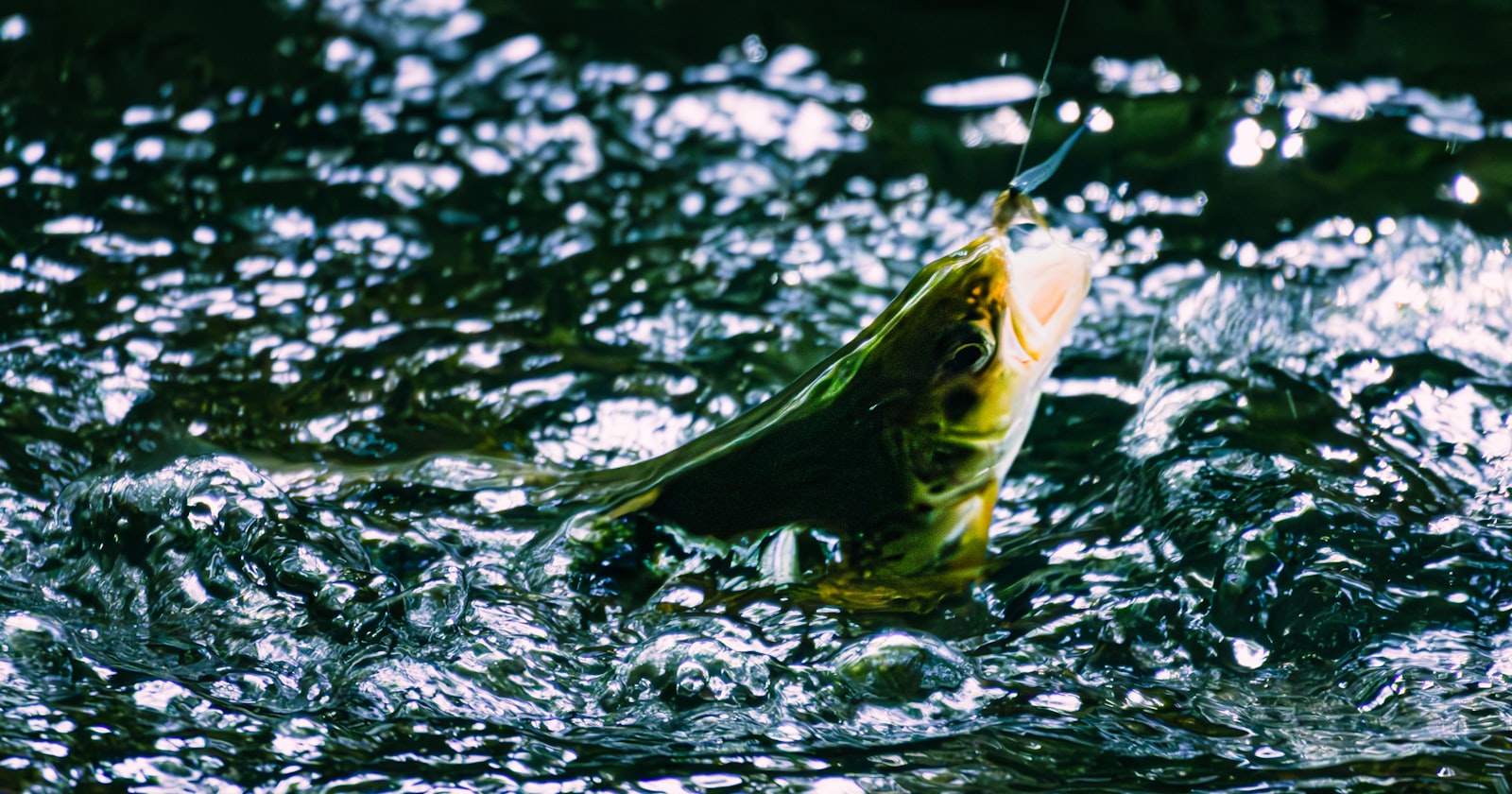
You've just landed a 22-inch brown trout on a technical spring creek. Your hands are shaking. You want a photo, you want to log the catch, you want to admire the fish for a moment. Meanwhile, the clock is running. Every second that trout spends out of 58°F water is a second it may not recover from. The 30-second rule isn't a guideline from a pamphlet — it's a hard ceiling backed by decades of catch-and-release biology. Here's how to stay well inside it, log the catch before you forget the details, and put a healthy fish back in the water.
What the 30-Second Rule Actually Means
The rule is simple: air exposure should stay under 30 seconds per handling event. After that, a fish's blood oxygen drops to a point where recovery becomes uncertain, even if it swims away looking fine. Delayed mortality — fish that die hours or days after release — is the invisible problem in catch and release. The fish kicks out of your hands and you feel good. But if it was out of water for 90 seconds while you fished for your phone, it may not survive the night.
Water temperature compounds everything. At 72°F, dissolved oxygen is lower and the fish is already stressed. The same 30-second exposure that's survivable in 55°F water can be lethal in summer conditions. That's why ethical fishing in July means shorter holds, deeper water for revival, and no heroic grip-and-grin sessions.
The Techniques That Actually Move the Needle
Gear choices matter before the fish is even in your hands.
- Barbless hooks reduce dehooking time from 20 seconds to 3. That single change probably does more for fish survival rate than anything else in your kit.
- Rubber or knotless mesh nets keep slime coat intact. Dry knotted mesh can strip a fish's protective coating in one scoop.
- Wet your hands before you touch the fish. Dry skin pulls slime coat off on contact.
- Keep the fish horizontal and supported, never vertical by the jaw unless it's a bass-style hold on a bass — and even then, support the body.
Deep hooks are the other variable. If a fish has taken a hook past the lip, cutting the line and leaving the hook is often better than digging for it. A circle hook rusts out. A 45-second excavation does not.
Logging the Catch Without Losing the Fish
Here's where most anglers quietly fail at catch and release, even the ones who know the rules. You land a good fish. You want to record the species, the length, the water temperature, the fly pattern that worked. So you hold the fish in the net with one hand, try to unlock your phone with the other, navigate to your fishing app, and start tapping through six screens. Forty-five seconds gone. The fish is still in your hand.
I built CastLog because I watched myself do exactly this on a cutthroat stream in Colorado. The fish was beautiful. My logging process was not. CastLog logs a catch in 3 taps — species, length, optional note — or you can speak it in under 5 seconds while the fish is still in the net. By the time you've said "18-inch brown, Elk Hair Caddis, 58 degrees," the fish is back in the water and you have a complete record.
Fast logging isn't a convenience feature. On a catch-and-release fishery, it's a conservation tool. Every second of friction in your logging workflow is a second the fish pays for.
Reading Recovery: How to Know the Fish Is Ready
A fish that swims away instantly isn't always a fish that survives. One that needs a two-minute revival isn't always a fish in trouble. Learn to read the signs.
Hold the fish gently, facing upstream, in moving water. You're waiting for the fish to right itself and maintain equilibrium without your help. Tail kicks are a good sign. Rolling to one side is not. In still water, hold the fish upright and move it slowly forward and back to push oxygenated water through the gills.
In water above 68°F, consider whether the fish should be released at all. Some trophy fisheries post voluntary no-fishing advisories on hot days for exactly this reason. Ethical fishing sometimes means leaving the rod in the truck.
Building a Pattern That Protects the Fishery
The conservation case for logging goes beyond the individual fish. When you log consistently — species, size, water temp, time of day, location — you start to see patterns that make you a more intentional angler. You notice that your best brown trout catches on that spring creek come between 6am and 9am when water temps are still in the low 50s. You stop fishing it in the afternoon heat in August, not because someone told you to, but because your own data showed you the fish aren't feeding and the temps are marginal.
This is what CastLog's AI Pattern Intelligence surfaces: correlations across your own catch history that tell you when and where fish are catchable under conditions where they're also resilient enough to be safely released. More data means better patterns. Better patterns mean you're fishing smarter, catching more, and handling fish under conditions where they thrive.
Fish survival rate isn't just about what happens in the 30 seconds after the catch. It's about showing up at the right time, in the right conditions, with a plan that respects the resource.
If you've ever held a fish too long because you were fumbling with your phone, you already understand the problem CastLog solves. Download CastLog on the App Store — logging is free forever for the basics, and it takes under 5 seconds. Android anglers can join the Android waitlist for Q3 2026. The fish will thank you for the speed!