
You pull up to the ramp at 6 a.m. in late March. The water is that particular shade of green-gray that means it's cold but warming. You've been here three weekends in a row and caught nothing. Then a buddy texts you a photo — a 5-pound largemouth, fat with eggs, caught two coves over. Same lake. Same morning. You were in the wrong place at the wrong time, and you had no data to tell you otherwise. That's the pre-spawn window in a sentence: it's brief, it's location-specific, and it rewards anglers who've been paying attention. This post is about how to pay attention.
The Temperature Bands That Actually Matter
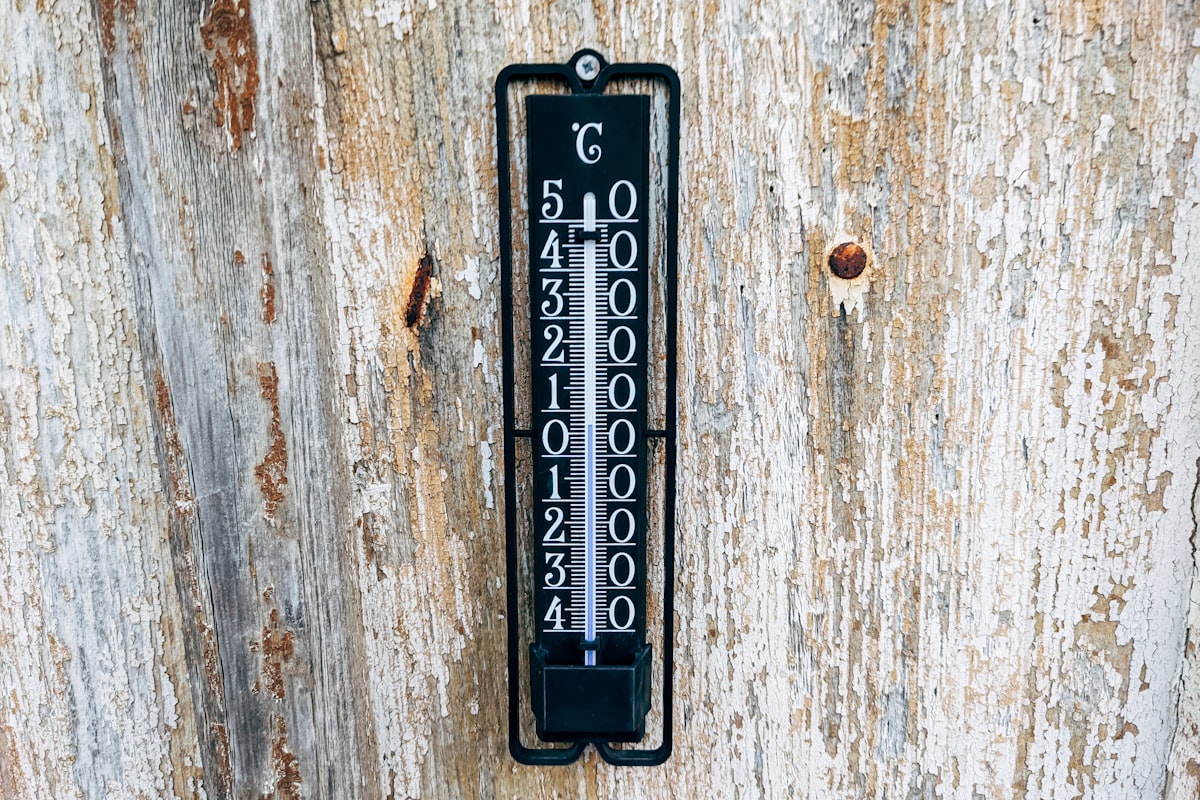
Pre-spawn bass behavior isn't a single event — it's a progression tied directly to water temperature. Most anglers treat 55°F as a magic number, but the real action starts earlier and moves in stages.
- 48–52°F: Bass begin staging on the first major depth break off spawning flats. They're lethargic but feeding opportunistically. Slow presentations win here.
- 52–55°F: Feeding aggression picks up noticeably. Fish start making short excursions onto secondary points and the upper edges of those depth breaks.
- 55–58°F: This is the window. Bass are actively pre-feeding before the spawn locks them down. Big females are shallow, often in 3–8 feet, and they eat.
Water temperature also varies by location on the same body of water. A north-facing cove might read 50°F while a shallow, dark-bottomed pocket on the south bank reads 54°F on the same afternoon. That 4-degree difference is the difference between no fish and a limit.
Pre-spawn bass are transitional fish. They're not deep, and they're not on the beds yet. They're on the highway between the two — and that highway has predictable on-ramps.
Look for these features:
- Secondary points that extend off main lake points. Bass use these as stepping stones from deep winter haunts toward spawning flats.
- Hard-bottom transitions — gravel meeting clay, rock meeting sand. Females seek out firm substrate well before they're ready to bed.
- Submerged road beds, old creek channels, or ditches that run perpendicular to the bank. These are travel corridors, and bass stack on the bends.
- Laydowns and dock pilings adjacent to spawning flats. Shade and ambush cover matter even in cool water.
Depth is relative to the lake. On a highland reservoir with 60-foot main lake depth, pre-spawn staging might happen at 18–25 feet. On a shallow Midwest natural lake, those same fish might be in 6–10 feet. The principle — first major break off the spawning flat — holds regardless.
I built CastLog because I kept losing this information. I'd find a secondary point that produced three consecutive pre-spawn seasons, then forget the exact GPS coordinates, the depth, the bottom composition I'd felt through my jig. Paper logs got wet. Phone apps took too long to open with cold, wet hands. By the time I logged anything, I'd already lost the context.
The Lure Progression That Follows the Thermometer
Pre-spawn bass don't eat the same way at 49°F as they do at 57°F. Matching your presentation to the temperature stage is the difference between a grind and a pattern.
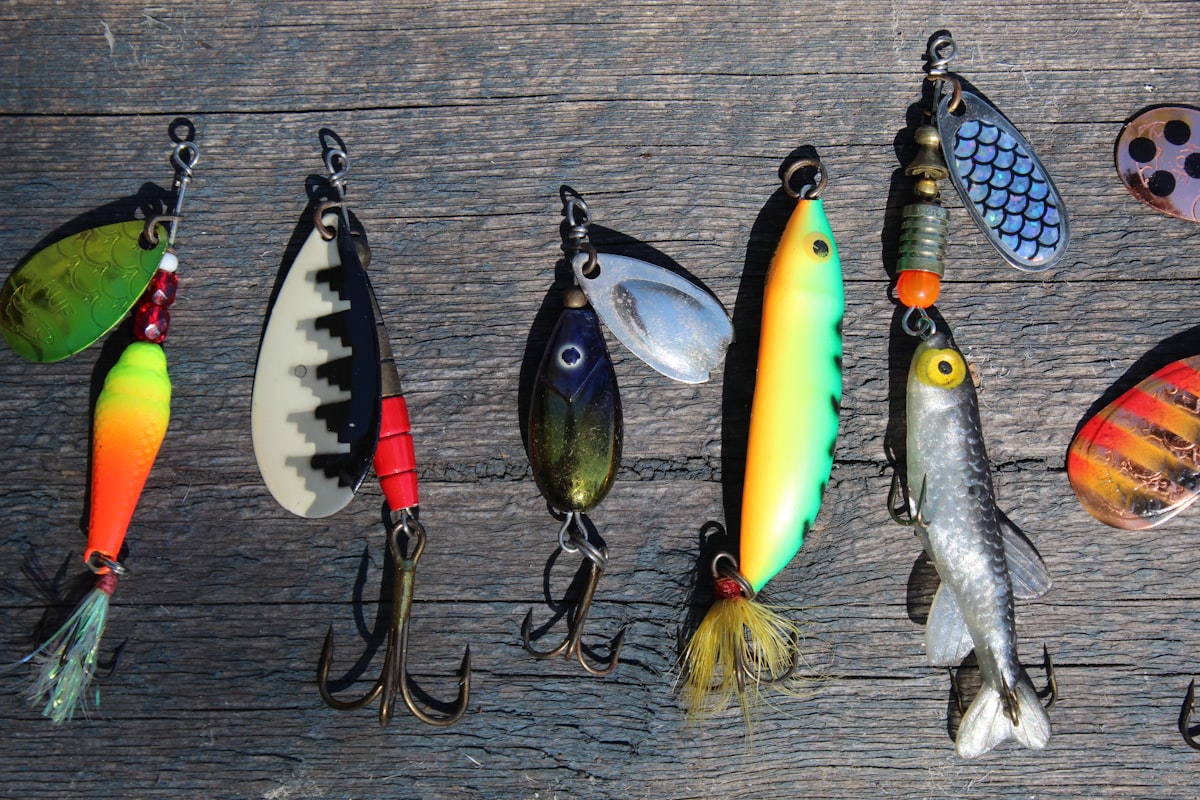
At 48–52°F: Slow down more than feels natural. A 3/4-oz football jig dragged along the bottom in 15–20 feet, paused for 4–6 seconds between hops, is hard to beat. A suspending jerkbait worked on a long pause — 5 to 10 seconds — mimics a dying shad and triggers reaction strikes from fish that aren't actively chasing.
At 52–55°F: Add a swimbait to the rotation. A 4-inch paddle tail on a 3/8-oz head, retrieved just fast enough to feel the kick, covers water and locates active fish on secondary points. Keep the jig in your hand for the follow-up cast when you mark fish on sonar.
At 55–58°F: Reaction baits become viable. A lipless crankbait — 1/2 oz, red craw or shad pattern — ripped through emerging vegetation or over hard bottom produces violent strikes. A bladed jig along the same structure gives fish a slower alternative when the crankbait draws short strikes.
Why Logging Each Catch Changes Everything
One pre-spawn outing is an anecdote. Three years of pre-spawn outings, logged with water temp, depth, lure, and GPS coordinates, is a pattern — and patterns catch fish.
This is where logging friction becomes a real problem. If recording a catch takes 6 taps and two minutes of thumb-typing while your rod is in your lap, you won't do it consistently. You'll log the 5-pounder and forget the 2-pounder that told you the school was there. You'll skip logging the air temp and the cloud cover because it feels like too much. And two seasons later, you're back at the ramp guessing.
CastLog logs a catch in under 5 seconds — 3 taps, with voice input for notes. Water temp, depth, lure, and location are captured before you've made your next cast. The app works offline because the coves worth fishing don't have cell signal. And when March rolls around again, the pattern intelligence layer surfaces what you caught, where, at what temperature, and on what bait — so you're not starting from zero.
Fishbrain built a social platform and put the useful features behind an $80-per-year paywall. That's a reasonable product for some anglers. CastLog is built for the angler who wants a fast, private fishing journal that gets smarter the more you use it.
If you've spent a March morning on the wrong bank while the fish were two coves over, you already understand why this matters. CastLog for iOS is available now on the App Store — free forever for the basics. Android anglers can join the Android waitlist for Q3 2026. Grab it before next pre-spawn season and let the data work for you!