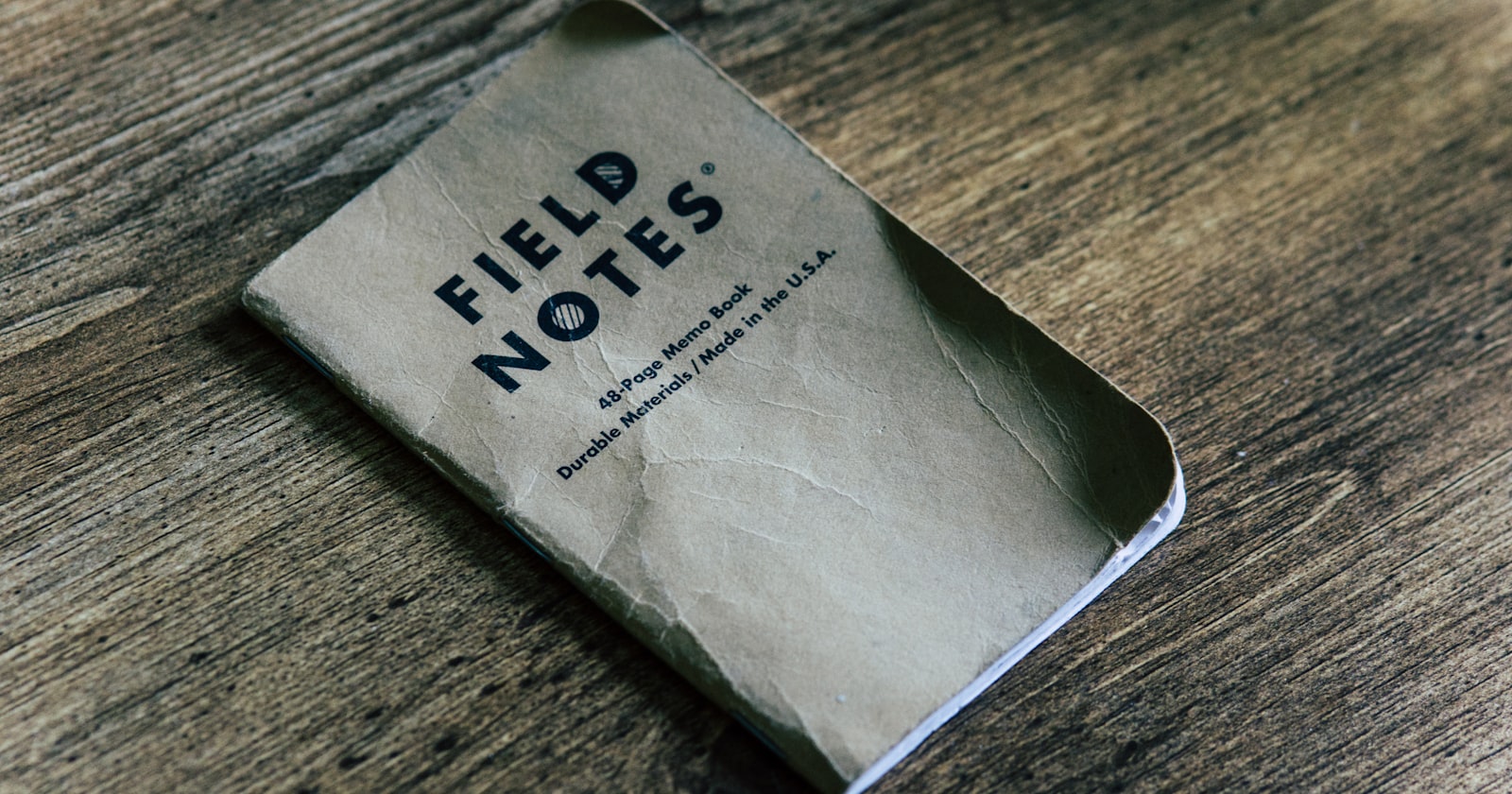
It's a Tuesday evening in late May. You're rigging up for a pre-dawn bass session and you remember—clearly—that you crushed them on a specific flat two springs ago. Water was cold, sky was overcast, something about a 3/8 oz chartreuse spinnerbait. You flip back through your notebook. Page 40. Page 60. Page 90. Forty minutes later you find a half-legible entry that might be the one, or might be from a completely different lake. By then you've lost the mental edge you woke up with. A good fishing journal should make you faster, not slower. This post is about when paper stops doing that job.
Paper Works — Up to a Point
I'm not here to tell you paper logs are wrong. Plenty of serious anglers have used them for decades, and there's something real about writing a note by hand after a good session. It slows you down enough to actually think. The problem isn't the medium. The problem is retrieval.
A single season of weekly trips produces 50-plus entries. Three seasons in, you're looking at 150 pages of handwritten notes with no search function, no filter, no way to ask "show me every largemouth over 4 lbs caught in water below 55°F." The data is all there. It's just locked in a format that can't talk back to you.
Paper also has a logging-in-the-moment problem. You're standing in 18 inches of water with wet hands, a rod under your arm, and a fish that needs to go back. Nobody is uncapping a pen right then. The entry gets written hours later, from memory, and the precision that makes a log useful quietly drains away.
The Real Cost of Unstructured Data
Here's what I mean by structured versus unstructured data. When you write "nice bass, spinnerbait, morning" in a notebook, that information exists. But it can't be sorted, filtered, or compared against anything else. It's a note. When you log the same catch as species: largemouth, weight: 4.2 lbs, lure: spinnerbait 3/8 oz chartreuse, water temp: 52°F, time: 6:14 AM — that's a data point. Collect enough of them and patterns start to surface on their own.
The gap between those two things is the difference between a journal you enjoy reading and a journal that actually changes how you fish. Three years of structured catches tells you which moon phase correlates with your best topwater sessions. It tells you the water temperature window where you've never blanked on a particular flat. Paper can't do that math. A good digital fishing journal can.
Why Most Fishing Apps Don't Fix the Problem
The obvious answer is "just use an app," and plenty of anglers have tried. The dropout rate is high, and the reason is almost always the same: logging friction. If recording a catch takes 6 or more taps, a form that times out, or a screen that won't load because you're in a hollow with no cell signal, you stop doing it. The log stays empty. The patterns never emerge.
Fishbrain is the app most anglers try first. It has a large community and decent map data, but the features that matter for pattern-building sit behind an $80/year paywall, and its offline behavior has been inconsistent enough that anglers fishing remote water have learned not to trust it. It was also acquired by Aspira, which doesn't change the product overnight but does change the incentive structure around your data.
The logging problem doesn't get solved by adding more features. It gets solved by making the core action — recording a catch — fast enough that you'll actually do it with wet hands, in low light, before the next cast.
What Fast Logging Actually Looks Like
I built CastLog because I kept abandoning my own digital logs. The threshold I set was: a catch entry has to be completable in under 5 seconds, 3 taps, including an option for voice input when my hands are full. That's the bar. Everything else in the app exists to serve that constraint or to make the data useful after the fact.
In practice it looks like this: fish comes to hand, I tap the species, tap the lure from a recents list that learns what I actually use, speak the weight, done. GPS coordinates, time, and conditions are captured automatically. I'm back to fishing before the adrenaline fades.
The app is offline-first by design, because the places worth fishing — a backcountry trout stream, a reservoir with no towers nearby, a kayak run through a marsh — rarely have cell signal. Every entry syncs when you're back in range, but nothing waits on a connection to save.
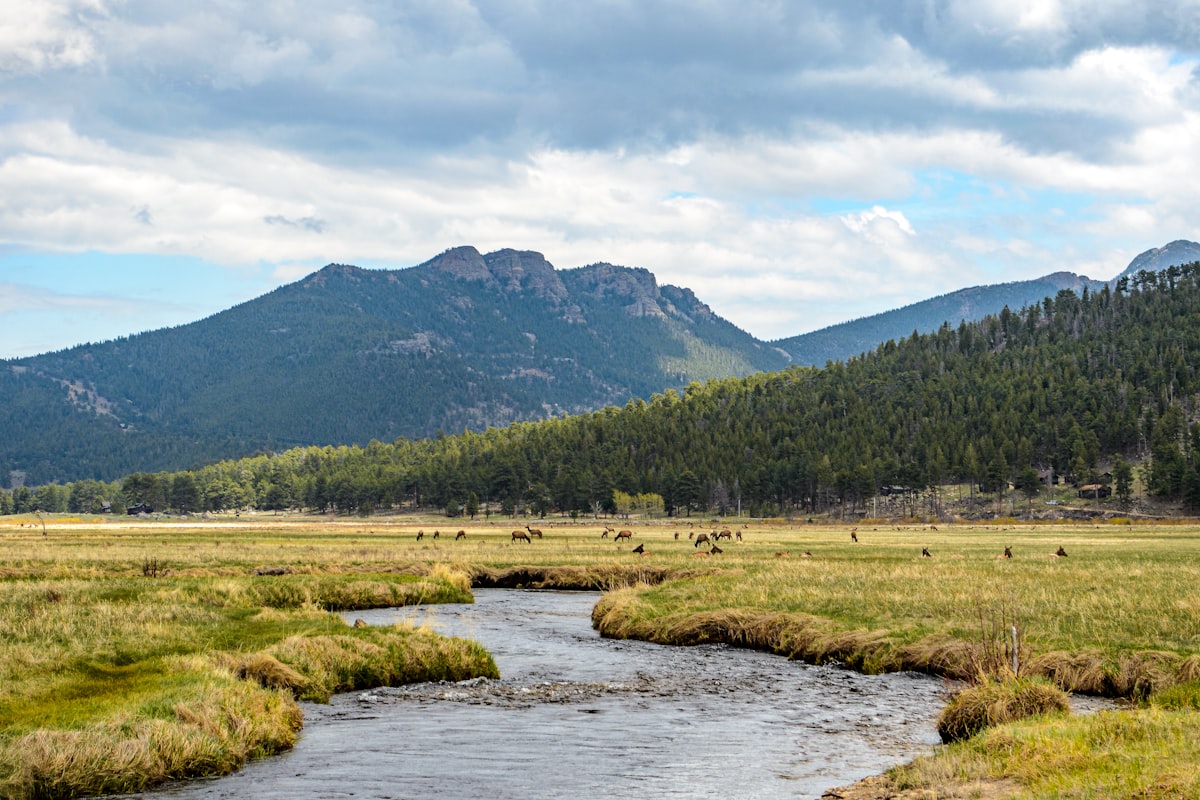
If you're in your first season, a paper log is fine. The friction of learning a new app probably costs more than the retrieval problem is worth yet. But if any of these are true, structured data will start paying off:
- You have more than one full season of logs and you've tried to cross-reference them
- You fish the same bodies of water repeatedly across multiple years
- You're trying to understand why a pattern worked, not just that it worked
- You've ever driven to a spot based on a memory that turned out to be wrong
The switch isn't about abandoning the discipline of keeping a log. It's about keeping the same discipline in a format that can do more with what you give it. Your notes from three years ago should be making you a better angler today. If they're sitting in a notebook on a shelf, they're not doing that work.
The best fishing journal isn't the one with the nicest cover. It's the one you actually fill in, every trip, fast enough that it doesn't interrupt the fishing — and smart enough to show you what it all means later.
If you've felt this frustration — data you know you have but can't use — CastLog for iOS is available now on the App Store, free forever for the basics. Android anglers can join the Android waitlist for Q3 2026. Three taps, under 5 seconds, offline from the first cast!