You just pulled a 3-pound largemouth out of a dock shadow on a chartreuse spinnerbait. The fish is in your hand, water is running down your wrist, and your phone is in your pocket. You know you should log it — the water temp, the depth, the exact lure — but the moment you try to unlock your screen with a wet thumb, the whole thing falls apart. By the time you've dried off enough to type, the fish is back in the water and the moment is already softening in your memory. That is the problem CastLog was built to solve, and voice logging is the sharpest tool in the fix.
The Real Reason Anglers Stop Logging
Every serious angler I've talked to has tried a fishing journal app and eventually abandoned it. The reason is almost never privacy or price. It's friction. Logging a catch mid-session means interrupting the thing you came to do — fish — to do data entry. When that data entry requires 6 or more taps, a dry index finger, and a stable surface to type on, most anglers just stop.
Fishbrain is the obvious example. It's the biggest fishing app on the market, and it has real data behind it. But logging a catch there means navigating a form with multiple fields, and if you're offshore or on a backcountry creek, you're doing it without a cell signal on a UI that wasn't designed for one-handed use. The data entry cost is high enough that people log selectively — which means the patterns you'd actually learn from never fully emerge.
The fix isn't a better form. It's eliminating the form entirely.
How Voice Catch Logging Actually Works
In CastLog, you open the app, hit the microphone, and say something like: three pound largemouth on a spinnerbait, eight feet, dock structure. The app parses that into structured fields — species, weight, lure type, depth, and structure — and writes the entry. Water temperature pulls from your last manual reading or a connected sensor if you have one. GPS coordinates log automatically. The whole thing takes under 5 seconds and 3 taps.
The parsing isn't a gimmick. It handles common fishing shorthand without requiring you to speak in a specific syntax. You don't have to say "species: largemouth bass, weight: three pounds." You just talk the way you'd describe the catch to the guy in the next boat. The app figures out what's a species, what's a weight, what's a technique.
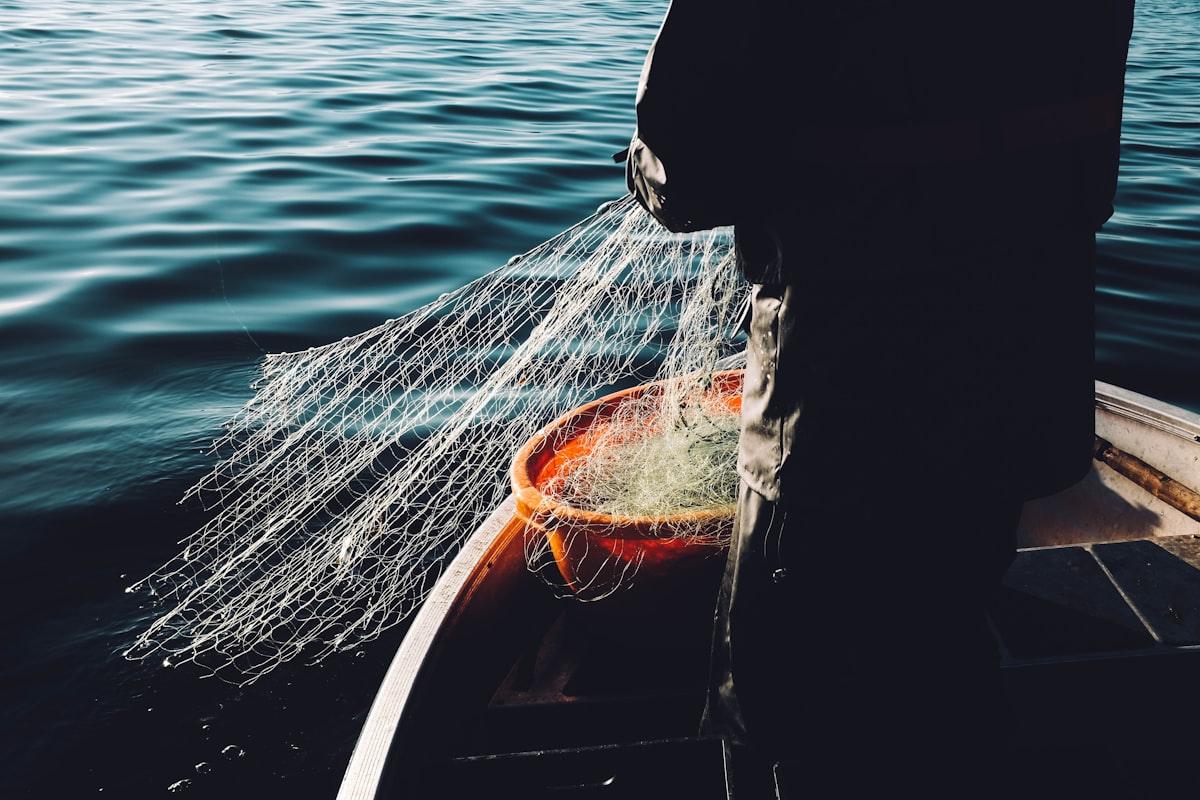
That matters most in the moments when logging is hardest: net still in the water, fish flopping, sun in your eyes.
Voice input is only valuable if what comes out the other end is clean, structured data — not a text blob you have to parse yourself later. This is where a lot of voice-to-text implementations fall short. They transcribe what you said and leave you with a note. That's marginally better than typing, but it's not the same as a logged catch with discrete fields.
When CastLog parses your voice entry into fields, every catch becomes a data point that the pattern engine can actually use. After 30 or 40 logged catches, the app can surface things like: largemouth bites in this lake cluster between 6 and 9 AM when water temp is between 62°F and 68°F, and 70% of them come on reaction baits. That kind of pattern doesn't emerge from a folder of voice memos. It only emerges from structured data, logged consistently.
Consistency is the part that voice logging unlocks. When logging costs nothing — no dry hands required, no 6-tap form — you log everything. When you log everything, the patterns get real.
Offline-First Matters More Than You Think
The places worth fishing rarely have cell signal. A backcountry reservoir at 5 AM, a tidal creek in a marsh, a high-elevation alpine lake — none of these have reliable LTE. Any app that depends on a cloud round-trip to process your voice entry is going to fail you exactly when you need it most.
CastLog processes voice logging entirely on-device. The entry writes to local storage first, syncs when signal returns. There's no spinner, no "waiting for network" failure state, no lost catch because you were in a dead zone. The offline-first architecture isn't a feature we added later — it's a constraint I built around from day one, because I knew the app would be useless if it only worked at the marina.
This is also why GPS coordinates log locally. You're not pinging a server to get your location written to the catch record. It happens in the background, silently, while you're already reaching for the next cast.
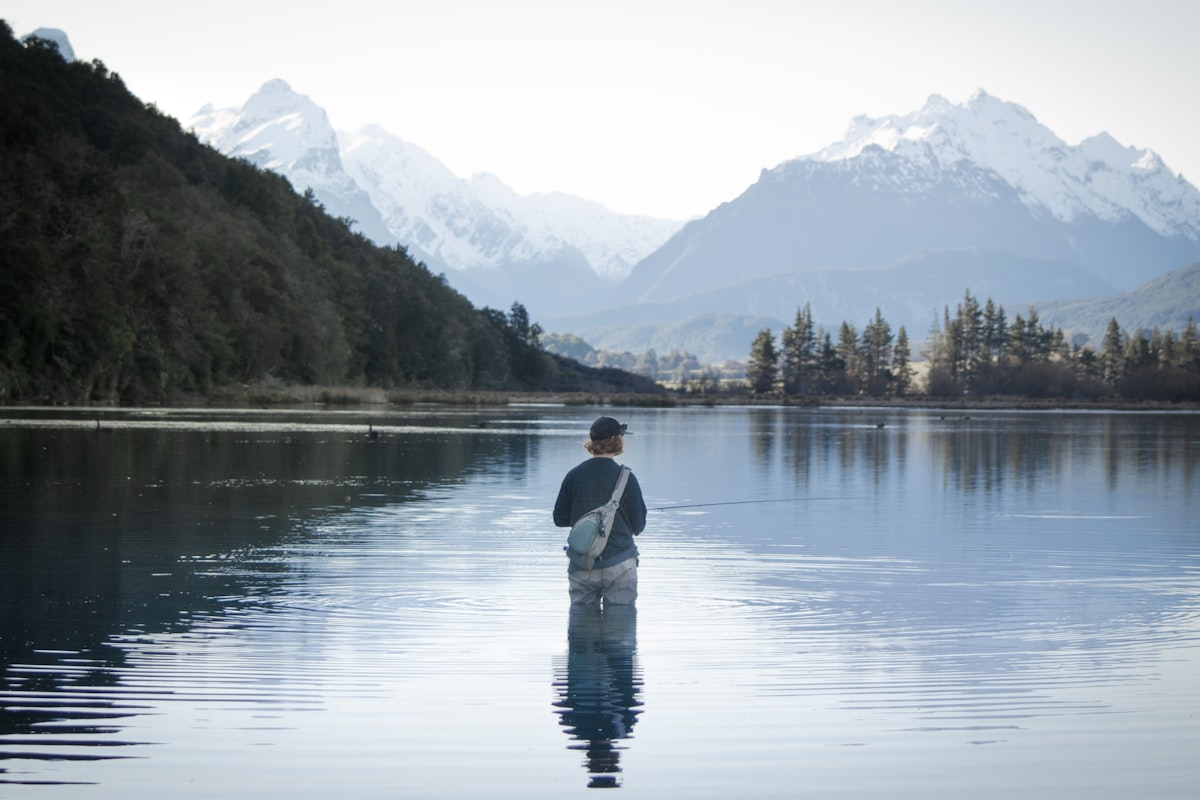
Most "hands-free" features in fishing apps are bolted on. They're voice search, or they're Siri shortcuts that open the app to a specific screen. That's not the same as a logging flow designed from the ground up around the assumption that your hands are wet, cold, or occupied.
Real hands-free design means the microphone is the primary input, not a fallback. It means the app doesn't require you to confirm 4 fields before writing the entry. It means the success state is a logged catch, not a draft waiting for you to finish later.
I built CastLog because I kept losing data at the exact moments that mattered — the first fish of a new pattern, the outlier catch that would have told me something if I'd written it down properly. Voice logging isn't a convenience feature. It's the mechanism that makes consistent logging possible for anyone who actually fishes hard.
If you've ever put your phone away because your hands were too wet to type, this is the app that fixes that. CastLog is free forever for the basics, and logging a catch takes under 5 seconds. iOS anglers can download it from the App Store right now — Android anglers can join the Android waitlist for Q3 2026. Come fish smarter!