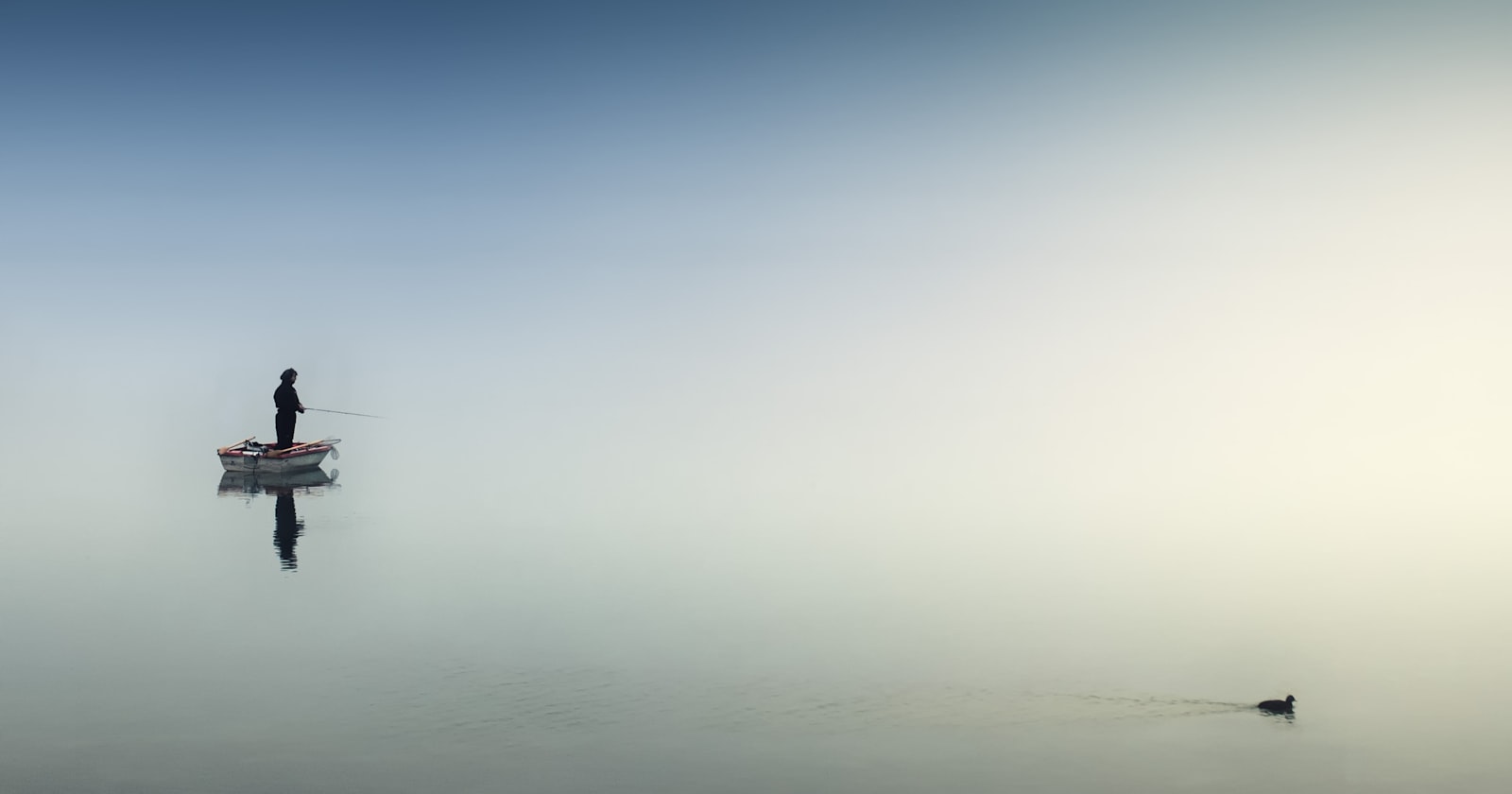
You drive 45 minutes to the lake, rig up in the dark, and spend four hours throwing everything in the box. Nothing. On the way home you check a fishing forum and somebody posted a limit of largemouth from the same water, two days earlier. The conditions were different then—a slow pressure rise after a cold front, 68°F surface temp, light southwest wind. You had no way to know that at 4 a.m. in your driveway. That's the problem a Bite Score is designed to solve: compress the variables that actually move fish into a single number you can read before you load the truck.
What a Bite Score Actually Measures
A number without a model behind it is just noise. The variables that matter for predicting feeding activity are well understood by serious anglers—they just haven't been assembled in one place before.
CastLog's Bite Score pulls from five inputs:
- Barometric trend — not the current reading, but the direction and rate of change over the last 6–12 hours
- Water temperature — surface temp relative to the seasonal baseline for that specific body of water
- Wind speed and direction — wind piles baitfish against windward banks and triggers predator feeding
- Moon phase and solunar window — major and minor feeding periods calculated for your GPS coordinates
- Recent local catches — logged catches from that lake in the last 72 hours, weighted by species and depth
The last input is what separates a generic weather score from actual lake intelligence. Barometric pressure and moon phase are the same everywhere. Recent catches from your specific water are not.
Most anglers know that fish feed well when pressure is rising. What gets missed is that the rate of change matters more than the absolute reading. A slow, steady rise from 29.80 to 29.95 inHg over 18 hours is a very different event than a sharp spike from 29.60 to 30.10 in four hours after a front blows through.
In the first case, bass and walleye tend to move shallow and feed actively. In the second, the sudden change often shuts fish down for 24–48 hours before they adjust. A raw pressure reading of 30.10 looks identical in both scenarios. The trend line does not.
CastLog logs the barometric curve, not just the snapshot. When the Bite Score weights pressure, it's looking at the shape of the last 12 hours—rising gradually, rising sharply, falling, or stable—and scoring each pattern against what catch data from that lake says actually produces fish.
Water Temperature: The Number That Sets the Table
Barometric trend tells you when fish want to eat. Water temperature tells you where they'll be and what they'll eat it on.
A largemouth bass in 58°F water is not the same fish as a largemouth in 74°F water. At 58°F, metabolism is slow, the strike window is narrow, and a drop-shot or shaky head fished painfully slow will outperform a buzzbait by a wide margin. At 74°F, that same fish is aggressive, shallow, and willing to chase.
The Bite Score factors surface temperature against species-specific thresholds. If you've told CastLog you're targeting smallmouth, the score interprets 62°F very differently than if you're targeting crappie. The same lake, the same morning, two different scores for two different targets—because the fish don't read the same calendar.
This is also where offline-first architecture earns its keep. The lakes worth fishing are often the ones with no cell signal. CastLog caches the temperature and solunar data for your saved lakes before you leave the driveway, so the Bite Score is available when you're standing at the water, not just when you have bars.
Solunar tables and weather data are public. Any app can surface them. What CastLog builds on top of that is a layer of real catch data logged by anglers on that specific water.
When an angler logs a catch—species, depth, lure, water temp, time of day—in under 5 seconds with 3 taps, that data point goes into the pattern engine. Seventy-two hours of catches on a given lake tell you things no weather model can: that the walleye are running 18–22 feet on the main basin break, that topwater stopped producing when the surface hit 81°F, that the morning bite is happening 40 minutes before the solunar table predicts.
This is the core argument for fast logging. Every catch you skip logging because it's too much friction is a data point the model never sees. Fishbrain understood this too, but their logging flow never got below 6–8 taps, and their $80/year Pro paywall meant the casual anglers who make up most of the user base weren't logging consistently. Sparse data produces weak patterns.
I built CastLog's logging flow first, before any of the intelligence features, because none of the pattern work matters if anglers stop logging after the second trip. Three taps, under 5 seconds, wet hands on a pitching boat. That's the constraint everything else was built around.
Reading Your Bite Score Before You Go
The score runs from 1 to 10. A 7 or above on a target lake means the conditions are aligning—pressure trend, temperature, wind, moon, and recent local activity are all pointing in the same direction. Below a 4, at least two of those inputs are working against you.
More useful than the number itself is the breakdown beneath it. If the score is a 6 because the moon window is weak but pressure and temperature are ideal, you might still go—just expect the bite to be concentrated in a shorter window. If the score is a 4 because a front passed 18 hours ago and pressure is still falling, that's a different conversation about whether the drive is worth it.
The Bite Score is not a guarantee. Fish don't read algorithms. But it's a structured way to ask the right questions before you leave the house, built from the same variables experienced guides check every morning before they book a trip.
If you've ever driven home from a blank day wondering what you missed, CastLog's Bite Score is built for that frustration. Download CastLog for iOS from the App Store and log your first catch in under 5 seconds—the basics are free forever. Android anglers, join the Android waitlist for Q3 2026.