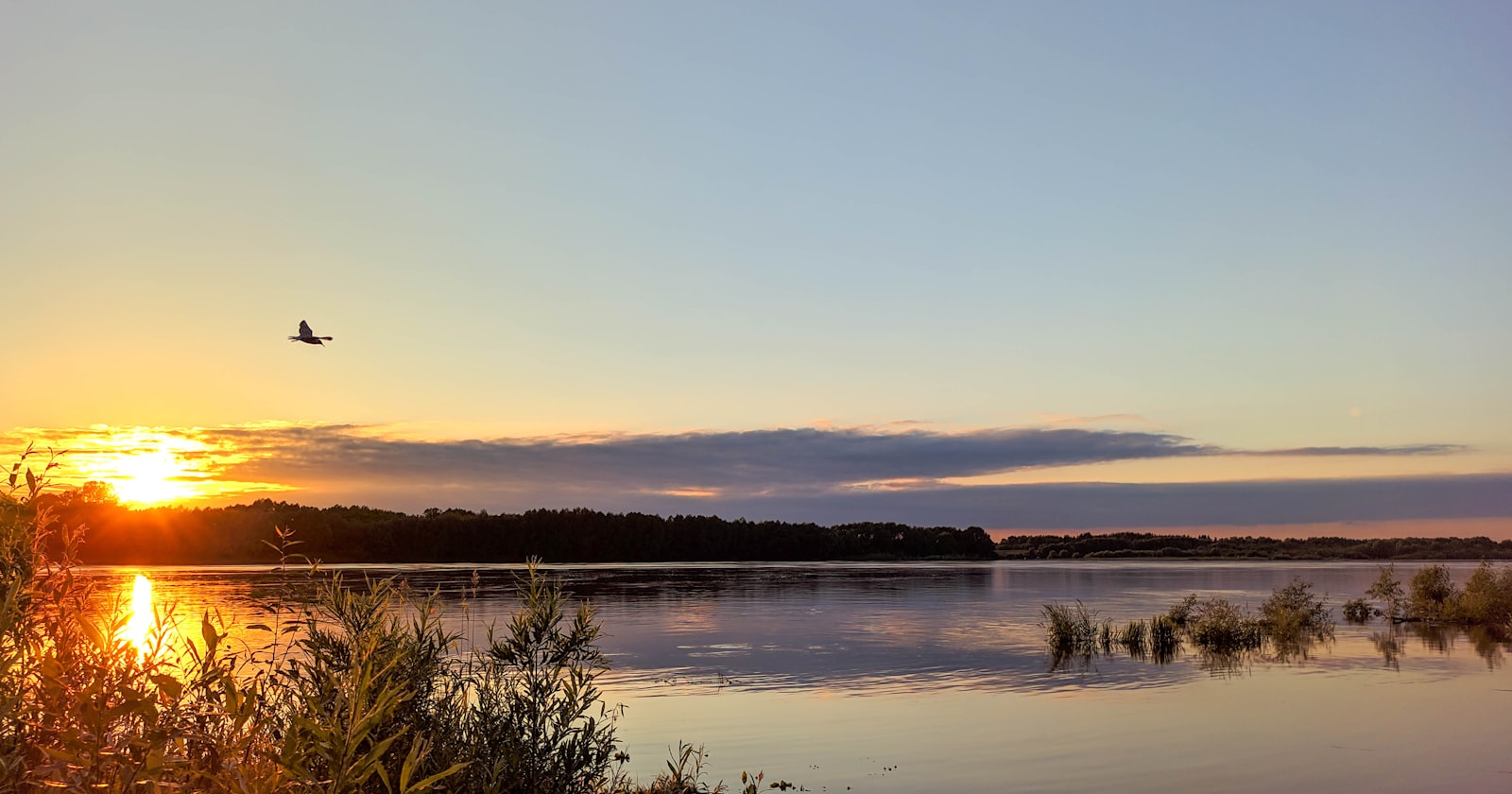
You've been fishing the same reservoir for three years. You know the north cove fishes better in spring, that the dock on the east bank holds fish in August, and that a certain chartreuse swimbait just works. But you can't explain why. You couldn't tell someone the water temperature when it worked, or what the barometer was doing the morning you pulled four largemouth over 3 lbs before 8 a.m. That knowledge lives in your gut, not in your hands. A year of logged catches changes that. Here's what the data actually shows you.
Why Gut Feel Has a Ceiling
Human memory is selective. You remember the great days vividly and compress the slow ones. After a season of fishing, you might recall 15 or 20 outings with any clarity. A year of consistent logging gives you 50, 80, sometimes 120 individual catch records — each one timestamped, tagged with conditions, and searchable.
That volume is where fishing patterns stop being folklore and start being evidence. A single 4 lb smallmouth on a drop-shot at 18 feet is a story. Twelve smallmouth over 3 lbs on a drop-shot at 15–20 feet, all logged between 52°F and 58°F water temperature, all within 48 hours of a falling barometer — that's a pattern you can fish to.
The problem has always been that logging enough catches to find those patterns was too slow, too annoying, and too easy to abandon mid-trip. That's the problem I built CastLog to fix.
What Barometric Data Actually Reveals
Barometric pressure is one of the most discussed variables in fishing and one of the least rigorously tracked by individual anglers. The conventional wisdom is that fish feed aggressively before a front and go neutral after one. That's broadly true. But your specific fishery, your target species, and your go-to techniques may behave differently.
When CastLog's AI Pattern Intelligence processes a full year of your logs, it looks for clusters — moments where multiple variables align across multiple catch events. Barometric pressure is one of the strongest signals it finds.
For a lot of bass anglers, the pattern that emerges isn't just "falling pressure is good." It's more specific: rapid drops of 0.10 inHg or more over a 6-hour window, combined with overcast skies and water temps above 62°F, produce disproportionately high catch rates on moving baits. Steady high pressure, by contrast, tends to push fish deeper and slower. The AI doesn't invent that — it surfaces it from your own records.
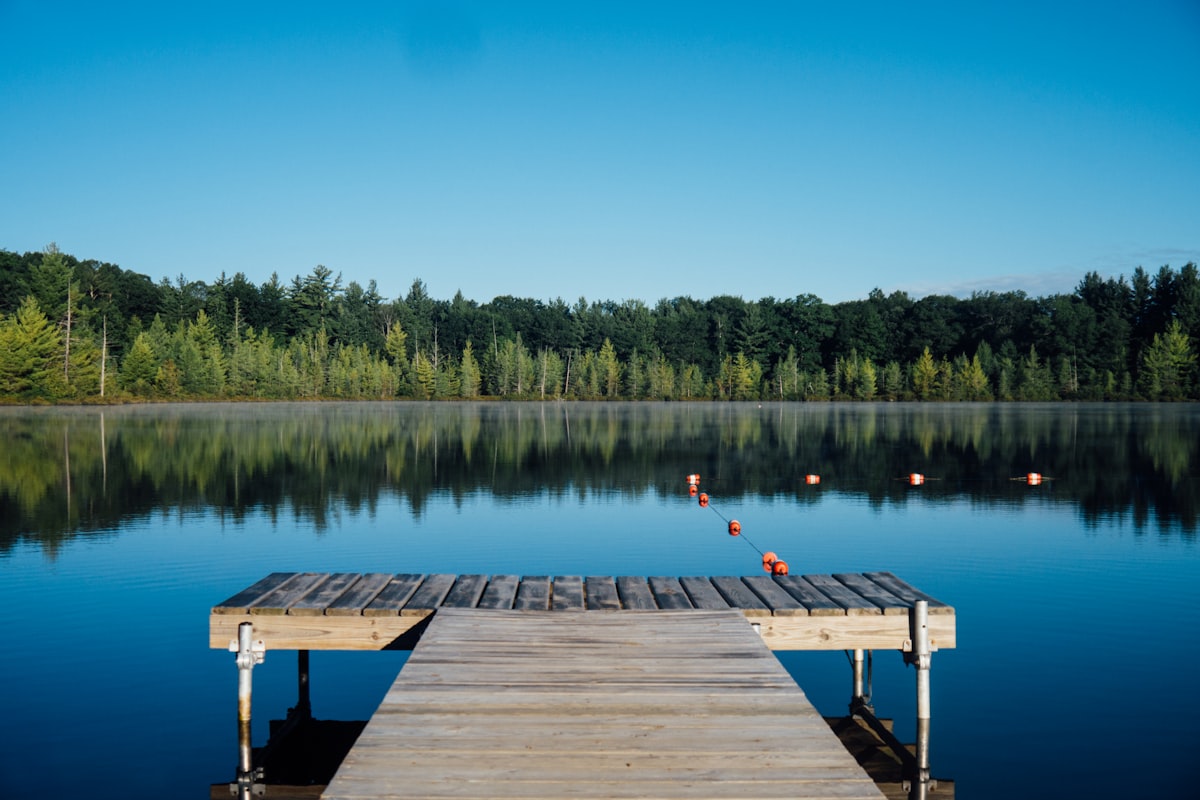
Moon phase is the variable most anglers either swear by or dismiss entirely. The logged data tends to land somewhere more nuanced than either camp expects.
What Pattern Intelligence often finds isn't that full moons or new moons are universally better. It's that certain species, in certain depth ranges, on certain bait types, show a measurable catch-rate spike in the 48-hour window around a major lunar phase. For crappie in shallow timber, that window is often the new moon. For largemouth in open water, the full moon night bite can be legitimate — but only when water temperature is in a specific band.
You would never find that manually. You'd need to cross-reference every catch date against a lunar calendar, then filter by species, then filter by depth, then filter by bait. That's an hour of spreadsheet work per insight. Pattern Intelligence does it in the background, every time you log a catch, and surfaces the finding when the cluster is statistically meaningful in your own data.
Lure-to-Water-Temperature Pairings
This is the pattern most anglers find most immediately actionable. Not "crankbaits work in spring" — everyone knows that. The specific pairing: which bait, at what retrieve depth, performs in which temperature window, on your lake.
A year of logs might show you that your best performing bait for largemouth is a 3/8 oz. brown-green jig — but only between 58°F and 68°F. Below 58°F, your catch rate on that jig drops sharply and a finesse ned rig at the same depth outperforms it by a wide margin. Above 68°F, topwater frogs fished over grass edges start generating more catches per hour than anything else in your log.
Those aren't guesses. They're your numbers, from your water. Pattern Intelligence doesn't pull from a generic fishing database. It pulls from the catches you logged — which is why logging fast enough to actually capture the data matters.
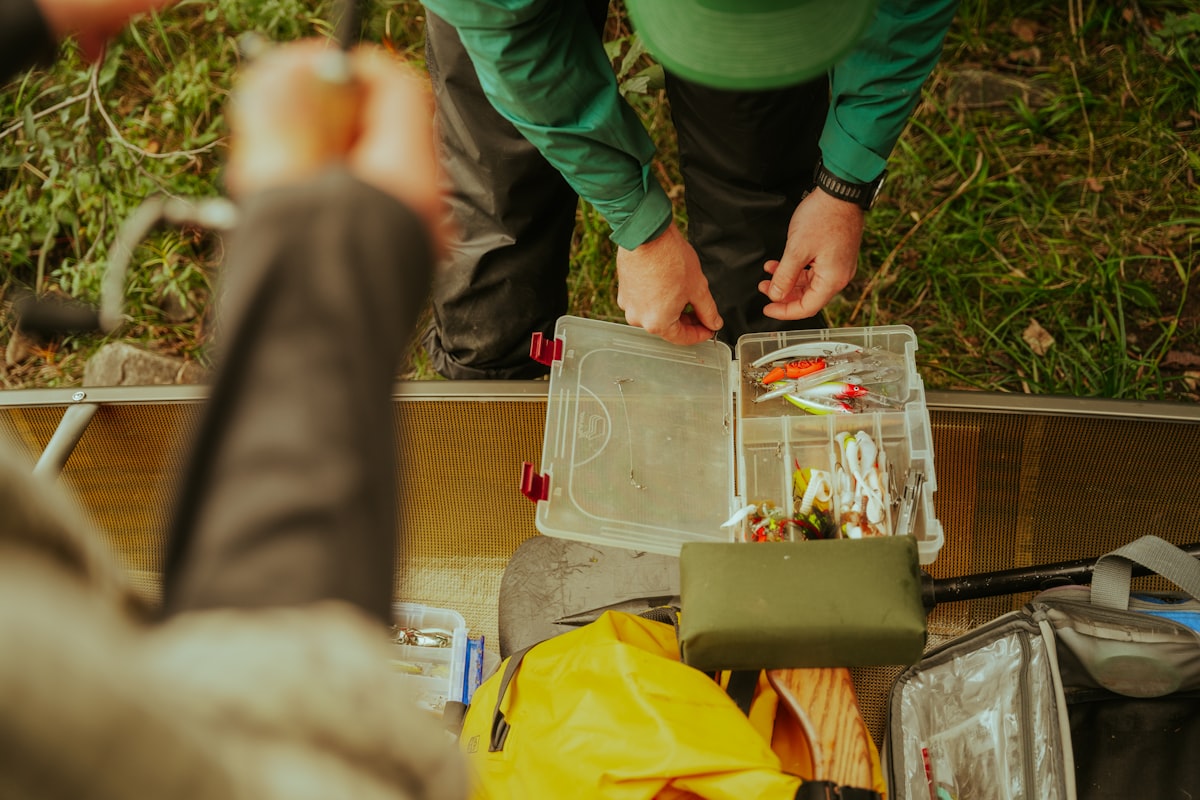
One month of data gives you a snapshot. Three months gives you a season. A full year gives you something qualitatively different: a complete cycle of conditions, species behavior, and technique performance across every season your fishery goes through.
After 12 months, Pattern Intelligence can start identifying multi-variable intersections that no single-season log could support. It might find that your best largemouth days cluster in a narrow window each spring — not just "April" but a specific 10-day stretch when water temperature crosses 58°F on the way up and barometric pressure has been stable for at least 72 hours. That's a window you can plan around.
The compounding effect is real. Each logged catch makes the next pattern more precise. That's the actual payoff of fast logging — not just convenience, but data density. Every catch you skip logging because it took too long is a missing data point that slightly degrades your patterns.
CastLog logs a catch in 3 taps, under 5 seconds, with voice input for notes. It works offline, because the places worth fishing rarely have cell signal. The basics are free forever.
If you've spent a season fishing on gut feel and wondered what the data would actually show — download CastLog for iOS from the App Store, or join the Android waitlist for Q3 2026. Start logging now, and next June you'll have a year of answers waiting for you!