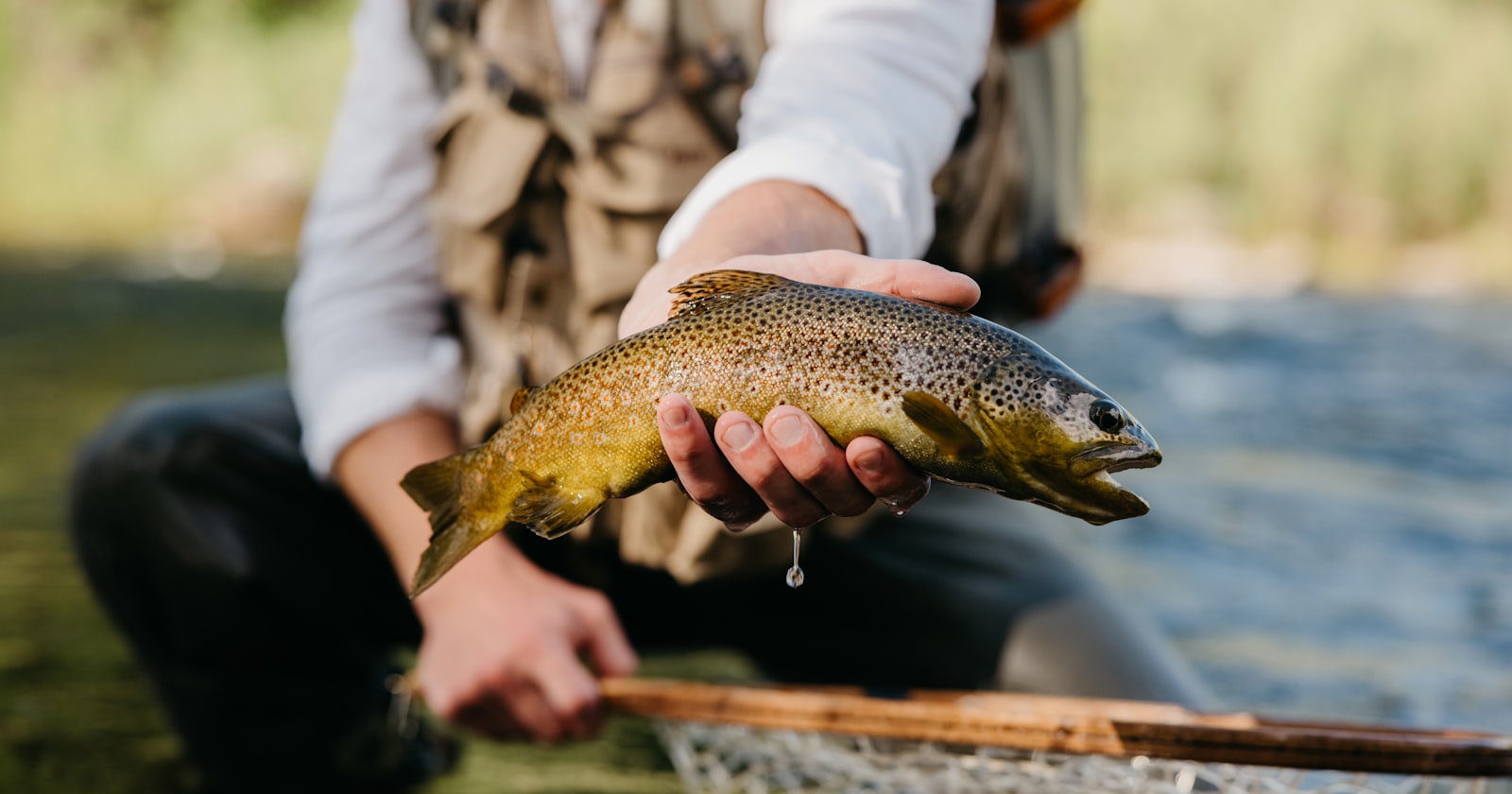
You've got a 19-inch largemouth in your net, water dripping off your forearm, and maybe 30 seconds before she needs to go back. You want to log it. You open the app, tap through four screens, mistype the weight because your thumb is wet, watch the spinner freeze because you're 400 yards from any cell signal, and by the time you've given up and closed the app, the fish is gone and so is half the moment. I built CastLog because that sequence — the phone tantrum between landing and releasing — was killing my willingness to keep any record at all. The fix is 3 taps and a voice note, done in under 5 seconds.
The Window Between Net and Release
Every angler who releases fish knows the window. It's not long. For bass it might be 45 seconds before you start worrying about lactic acid buildup. For trout in 68°F water, it's shorter. That window is exactly when every fishing journal app asks you for the most input.
Species dropdown. Weight field. Length field. Lure selector. Water temperature. Notes. Photo. Tag a location. Rate the fight. Submit.
By tap six your fish has been in the net too long, your hands are shaking, and you've logged nothing. The app has actively made you a worse angler — not because it lacks features, but because it front-loaded all of them into the worst possible moment.
Fast catch logging isn't a nice-to-have. It's the entire premise. If logging a catch costs more than it returns in the moment, you stop logging. And if you stop logging, you have no data. And if you have no data, you're guessing every time you go back to the same water.
How 3 Taps Actually Works
Here's the exact sequence in CastLog.
Tap 1: Open the app. The camera is live. CastLog assumes you're there to log a catch, not browse a feed.
Tap 2: Hit the log button. Your GPS coordinates are captured automatically. The timestamp is captured automatically. The session you already have open — the one you started when you got to the water — carries over the conditions you set: water temp, air temp, wind, structure type.
Tap 3: Confirm. You're done.
Everything else — species, size, lure, notes — can be added in the next 30 seconds while the fish is recovering in the shallows, or filled in later from the session screen. The core log is already saved, offline, the moment you hit confirm.
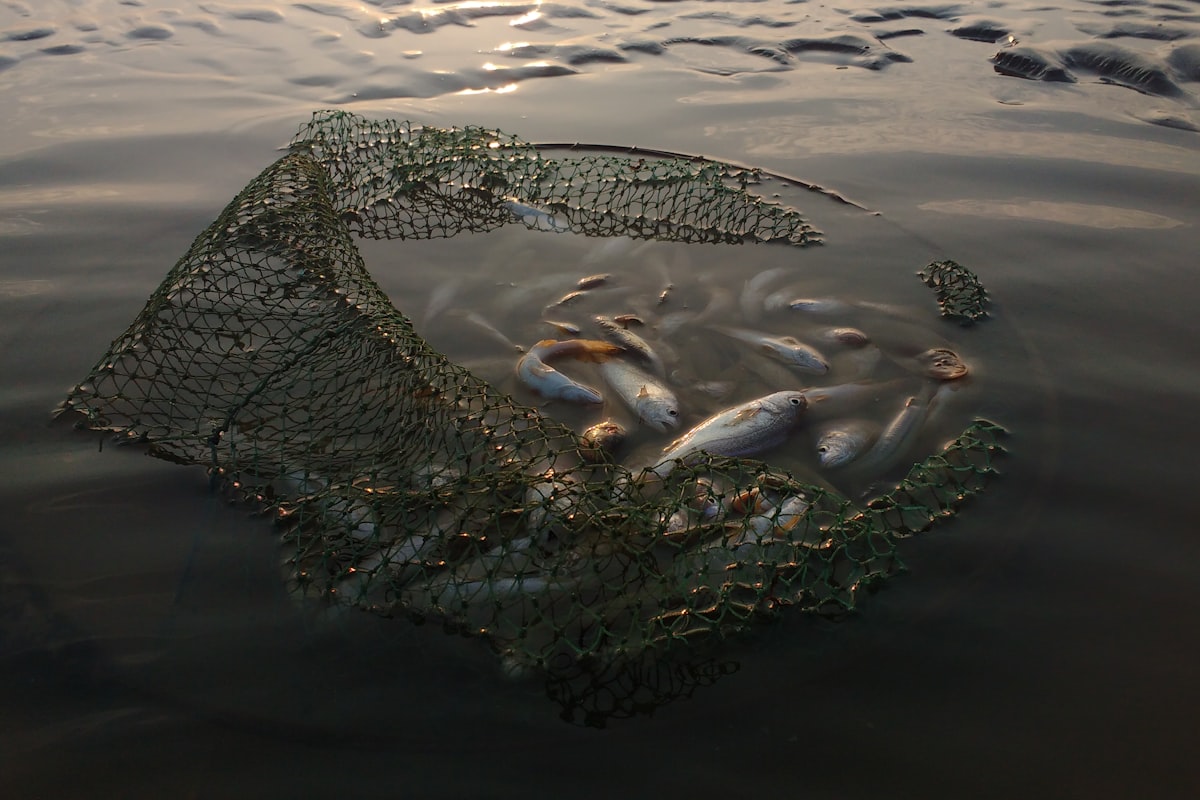
I'm not describing a prototype. This is shipped and running on iOS right now.
Why Offline-First Isn't Optional
Fishbrain has a real user base and a real feature set. I'll give it that. But it's also $80 a year, it's been sold to Aspira, and its offline behavior — particularly for logging and map access — has been a consistent complaint from anglers who fish anywhere worth fishing.
The places worth fishing rarely have cell signal. A creek drainage in the Ozarks. A reservoir cove an hour from the nearest town. A tidal flat where you killed it two years ago and want to cross-reference conditions. If your logging app requires a data connection to save a catch, it's going to fail you in exactly the places where the data matters most.
CastLog is offline-first by architecture, not by feature flag. Every catch logs locally the moment you confirm. Session data, GPS coordinates, voice note transcription — all of it writes to your device first. When you're back in signal range, it syncs. You will never lose a catch because you were somewhere worth fishing.
Pattern Intelligence: Why the Speed Matters Long-Term
Logging fast isn't just about convenience in the moment. It's about the quality of your data over a season.
If logging friction causes you to skip half your catches — the ones that felt too small to bother, the ones where the fish was already back in the water, the ones where the app froze — you end up with a biased dataset. You have records of your memorable fish, not your actual fishing. That's not a fishing journal. That's a highlight reel.
When you log consistently — every fish, every session, every condition — the pattern intelligence layer has something real to work with. CastLog can surface that you've caught 78% of your keeper bass in water between 58°F and 64°F, on overcast mornings, in 4 to 6 feet of water over gravel transitions. Not because the app is clever, but because you gave it complete data instead of cherry-picked data.
That's the actual payoff of fast catch logging. Not that the moment feels smoother. It's that six months from now, you know something true about the water you fish.
What to Do Right Now
Before your next session, set up one saved session template: your home water, your usual target species, the structure types you fish most. Takes three minutes once. After that, every log starts with context already loaded. You show up, tap open, tap log, confirm. The fish goes back healthy and you have a record.
If you've felt the phone tantrum — the wet-thumb fumble, the spinner freeze, the six-tap ask at the worst possible moment — CastLog was built for exactly that frustration. The basics are free forever, and the first log takes under 5 seconds. Download CastLog for iOS from the App Store today, or join the Android waitlist for Q3 2026!