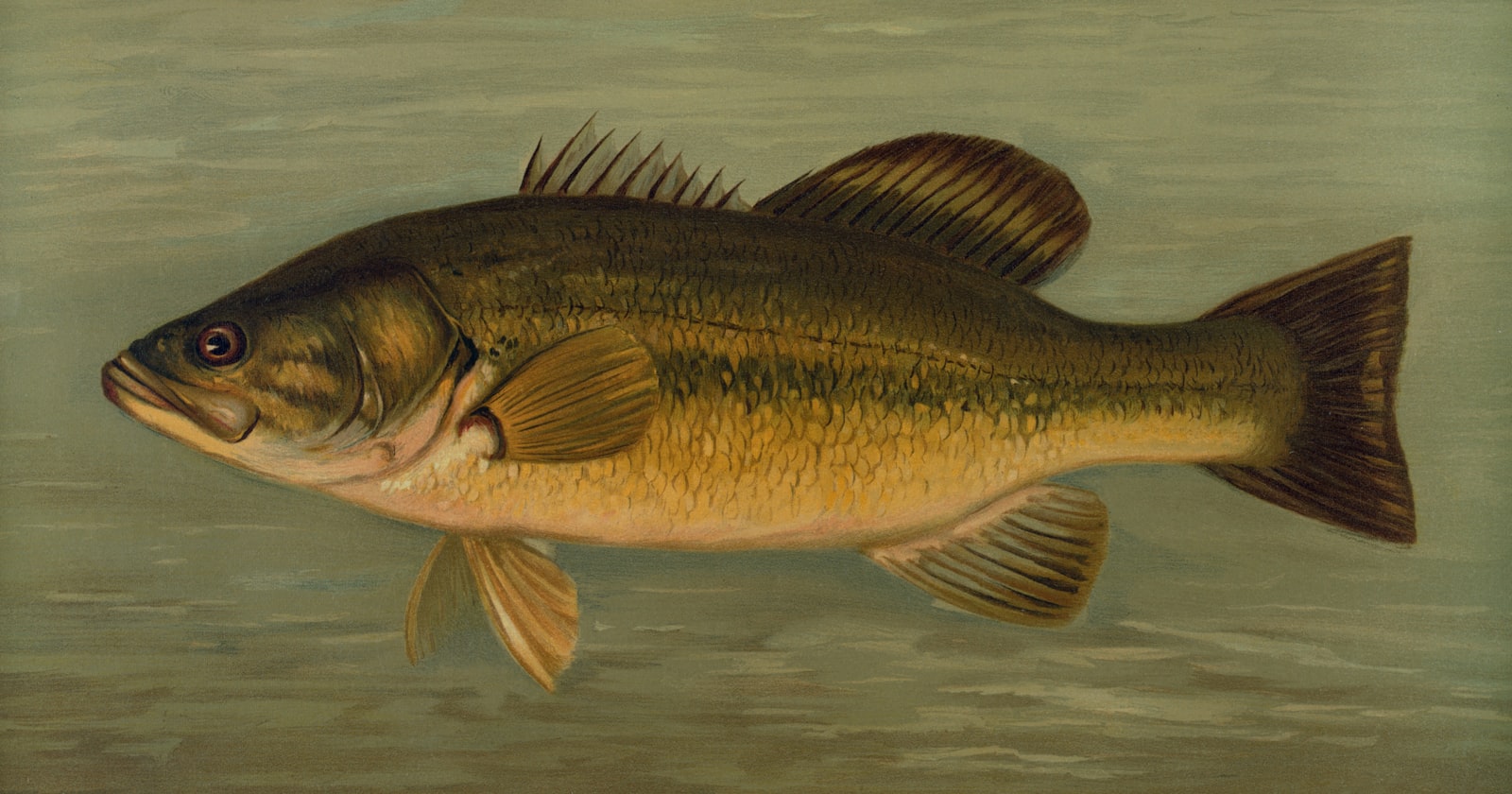
You pull a fish over the gunwale, it's flopping, your hands are wet, and your buddy is already asking what species it is. You open a fish id app, snap a photo, and wait. The wheel spins. It comes back: "Largemouth Bass — 94% confidence." You already knew that. What you needed was for that catch to be logged before the fish went back in the water. That gap — between identifying a fish and actually recording it — is where most fishing apps quietly fail you. Here's an honest look at where AI fish identification stands in 2026, what it gets right, where it still struggles, and why the pipeline after the ID is the part that actually matters.
How Accurate Is AI Fish Identification Right Now?
For common species in good light, the models are genuinely impressive. A largemouth bass, a rainbow trout, a redfish held up against a neutral background — modern computer vision handles these with high confidence. The training datasets have gotten large enough that the top fish id apps are reliable on the 30 or 40 species that make up the bulk of recreational catches in North America.
The edge cases are where things get honest. A juvenile smallmouth versus a spotted bass in muddy water. A sheepshead versus a black drum at a weird angle. A Pacific halibut versus a California halibut from above. These are the identifications that still trip up every app on the market, including CastLog. Anyone telling you their AI nails every species in every condition is selling you something.
The practical ceiling right now: common species, decent light, clear lateral view — expect accuracy in the high 80s to low 90s percentage-wise. Unusual species, low light, partial views — treat the suggestion as a starting point, not a verdict.
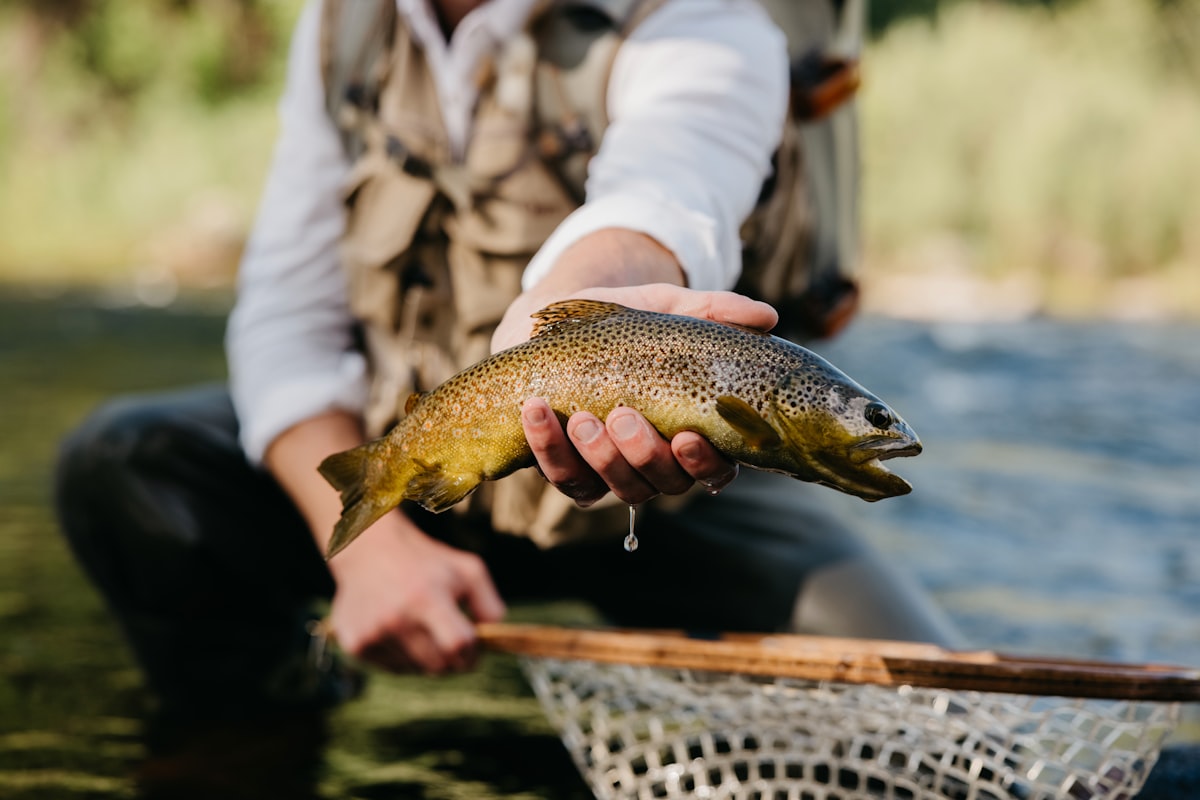
Fishbrain has had photo-based fish identification for a while. iNaturalist, which isn't a fishing app but uses the same underlying computer vision approach, is arguably the most accurate general species identifier available. Several standalone identify-fish-from-photo apps have appeared in the last two years, some of them genuinely good at the ID step.
The problem is that identification is only the first three seconds of a ten-second job. After the app tells you it's a smallmouth bass, you still need to log the weight, the length, the water temperature, the lure, the depth, the location. On Fishbrain, that's a multi-step form. On most standalone fish id apps, there's no logging at all — you got your answer, now figure out the rest yourself.
Fishbrain's premium features, including some of its AI tools, sit behind an $80 per year paywall. The app has also had persistent offline issues, which matters because the places worth fishing — a backcountry lake, a tidal flat, a tailwater below a dam — rarely have reliable cell signal.
How CastLog Connects the ID to the Log
I built CastLog because the identification problem was already mostly solved. What wasn't solved was the 45-second logging process that follows it, the one you skip when the fish is alive in your hands and your co-angler is already making a cast.
In CastLog, the photo ID feeds directly into the log entry. The species field pre-fills from the AI suggestion. You confirm or correct it with one tap. Then you add weight and length — either typed, or spoken out loud while the fish is still in the net. Location stamps automatically. The whole entry closes in under 5 seconds from the moment you confirm the species.
That speed isn't a convenience feature. It's the mechanism that makes everything else work. More complete logs mean more data points. More data points mean the pattern intelligence layer has something real to work with — which lures produced at 47°F versus 58°F, which tide stage correlated with your redfish catches on a specific flat, which retrieve speed your smallmouth responded to in late May versus early June.
The AI identification is the front door. The log is the house.
Most AI photo identification requires a server call. You take the photo, it uploads, the model runs in the cloud, the result comes back. That pipeline breaks the moment you lose signal — which is exactly when you're somewhere worth fishing.
CastLog runs its fish ID model on-device. The identification happens locally, no connection required. The log entry saves locally and syncs when you're back in range. This isn't a minor technical detail. If your fish id app needs cell service and you're fishing a reservoir in the Ozarks or a creek drainage in the Cascades, the app is functionally useless at the moment you need it.
Offline-first isn't a differentiator you should have to advertise in 2026. It should be table stakes. But it isn't, and that gap costs anglers real data.
What to Actually Look For in a Fish ID App
If you're evaluating fish identification tools, here's the honest checklist:
- Does it work offline? If not, it will fail you in the field.
- What happens after the ID? Does it log the catch, or does it stop at the species name?
- How does it handle corrections? You should be able to override the AI suggestion in one tap, not navigate a dropdown of 400 species.
- Does the data go somewhere useful? Identification without pattern analysis is a parlor trick.
- What's the cost structure? Know what's behind the paywall before you build a season of data inside an app.
AI fish identification in 2026 is good enough to be genuinely useful on the species you catch most. The question worth asking isn't whether the AI can name the fish. It's whether the app can turn that moment into a data point you'll actually benefit from six months from now.
If you've ever identified a fish and then watched the logging process eat 45 seconds while the fish waited in the net, CastLog was built for that exact frustration. The basics are free forever, and logging a catch takes under 5 seconds. Download CastLog for iOS from the App Store, or join the Android waitlist for Q3 2026 — the link is below!